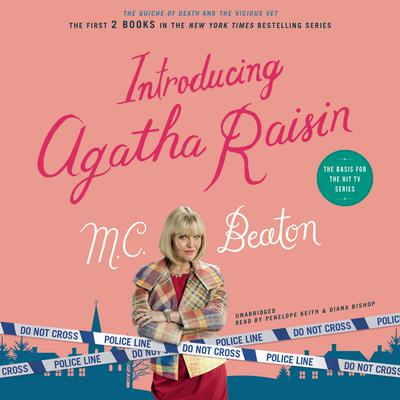
Unlike many readers, I came to Agatha Raisin through the TV series before discovering the books — and looking back, I understand why the show leaned so heavily into comedy. The novels carry a more serious edge, hovering between cozy and semi-cozy, never entirely comfortable in either camp. On screen, Agatha is warmer, funnier, easier to like. On the page, she can be downright unlikeable — which makes getting to know her quirks and flaws all the more fascinating. It’s also worth noting that several characters who feature heavily in the series barely appear in the books: the maid and her young daughter, for instance, and Roy plays a much smaller role on the page than on screen. Much of the show’s coziness and humor comes from these added characters, which may explain why the books feel sharper by comparison.
On the surface, the world Beaton creates looks terribly cozy: Cotswold cottages, jam competitions, polite chatter over teapots. But underneath it all simmers a minefield of gossip, vanity, and small-town rivalry dressed up as community spirit. Into this wades Agatha, fresh from the cutthroat world of London PR, certain she’ll slip effortlessly into village life. She’s stubborn, socially tone-deaf, and gloriously unaware of her own vanity — yet somehow she muscles her way to results. Beaton skewers human pride and pettiness with brisk, dry wit, filling the village with recognisable types who are far more fun to laugh at on the page than they’d ever be as neighbours.
Light without being flimsy, sharp without being cruel, Introducing Agatha Raisin is, like its heroine: brash, ridiculous, oddly endearing, and endlessly entertaining.